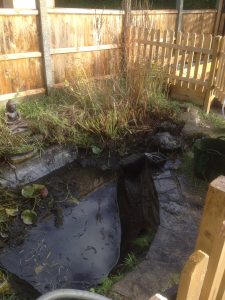
The Root of the Problem: Troubleshooting Common Pond Algae Issues
The Root of the Problem: Troubleshooting Common Pond Algae Issues
By RBW Ponds – Pond Construction, Cleaning & Maintenance Specialists
A garden pond can be the highlight of an outdoor space—calming, beautiful, and full of life. But when algae takes over, that peaceful oasis can quickly turn into a murky green mess. At RBW Ponds, we help homeowners diagnose and solve algae issues every day. If you’re struggling with stubborn green water, string algae, or blanket weed, this guide will walk you through common causes—and how to fix them for good.
1. Start at the Source: Pond Location Matters
The placement of your pond plays a huge role in algae growth. Too much sunlight equals too much algae.
Key things to consider:
- Hours of Sunlight: Ponds receiving 6+ hours of direct sun are more prone to green water and rapid algae blooms.
- Nearby Trees: Trees can provide shade, but too many leaves in autumn introduce excess nutrients—another algae trigger.
- Runoff Areas: Grass fertilisers or soil rich in nutrients can wash into the pond, feeding algae.
🔥 Pro Tip: When planning a pond, aim for partial shade—ideally morning sun and afternoon cover.
2. The Balance of Life: Choosing the Right Fish Types
Not all fish are suitable for every pond, and overstocking is the fastest way to fuel algae growth.
Fish considerations:
- Koi produce more waste than most pond fish, so they need strong filtration and larger pond volumes.
- Goldfish and Shubunkins are easier to manage in smaller setups.
- Tench can help stir up the bottom substrate, assisting with natural cleaning.
- Avoid Overstocking: Too many fish = too much ammonia → more nutrients → more algae.
💧 A good rule of thumb:
1 inch of fish per 10 gallons of water as a starting guideline.
3. Filtration: Your Pond’s Life Support System
A poor or undersized filtration system is one of the most common reasons ponds turn green.
Make sure you have:
- A filter sized for at least the next pond size up
- A correctly rated UV clarifier (crucial for controlling green water algae)
- Regular filter maintenance—cleaning sponges, rinsing bio-media, and replacing UV bulbs yearly
🌿 Remember: Filtration is not a one-time installation; it’s an ongoing part of healthy pond care.
4. Plants: Your Natural Algae Competition
Aquatic plants help absorb nutrients before algae can use them.
Best algae-fighting plants:
- Water lilies (shade + nutrient absorption)
- Oxygenators like hornwort or elodea
- Marginals such as iris, water mint, and pickerel
Aim to have 30–50% plant coverage for a naturally balanced pond ecosystem.
5. Long-Term Maintenance & Care
Even with a well-designed pond, consistent maintenance is the key to preventing algae.
What to include in your routine:
- Seasonal deep cleans (spring and autumn recommended)
- Regular water testing for ammonia, nitrite, nitrate, and pH
- Removing debris like leaves and sludge buildup
- Partial water changes throughout the year
- Cleaning pumps & checking flow rates
🛠️ Long-term success comes from regular attention—not quick fixes.
6. When DIY Isn’t Enough
Some algae issues have deeper roots, like:
- Incorrect pump sizing
- Poor pond design
- Lack of depth or circulation
- Excessive nutrient load in the liner or substrate
This is where professional help can save time, money, and stress.
At RBW Ponds, we provide full-service solutions including:
- Pond construction & redesign
- Deep cleaning & desludging
- Filtration upgrades
- Planting plans
- Annual maintenance packages
Final Thoughts
Algae is a natural part of any pond, but it shouldn’t take over your garden oasis. Understanding the causes—from sunlight exposure to fish load and maintenance routines—can help you take back control and enjoy a clear, healthy, thriving pond all year round.
If you’re unsure where to start, or want expert advice tailored to your pond—
📩 Contact RBW Ponds for further advice.
📧 Email: andrewlongrbw@hotmail.com for FREE ESTIMATES and Consultation
We’re here to help you turn your pond back into the beautiful feature it’s meant to be.
Blogs & Guides
-
Planning a Water Garden: Integrating Ponds with Your Landscape Design
-
Protecting Your Investment: Keeping Predators (Seagulls, Foxes, Cats) Away

-
Pump Power: Sizing Your Water Feature Pump Correctly
-
DIY vs. Professional Pond Installation: When to Call the Experts
-
The Root of the Problem: Troubleshooting Common Pond Algae Issues